![[logo] Song Talk Radio](https://i0.wp.com/songtalk.ca/wp-content/uploads/2014/07/song-talk-logo-v22.png?fit=800%2C158&ssl=1)
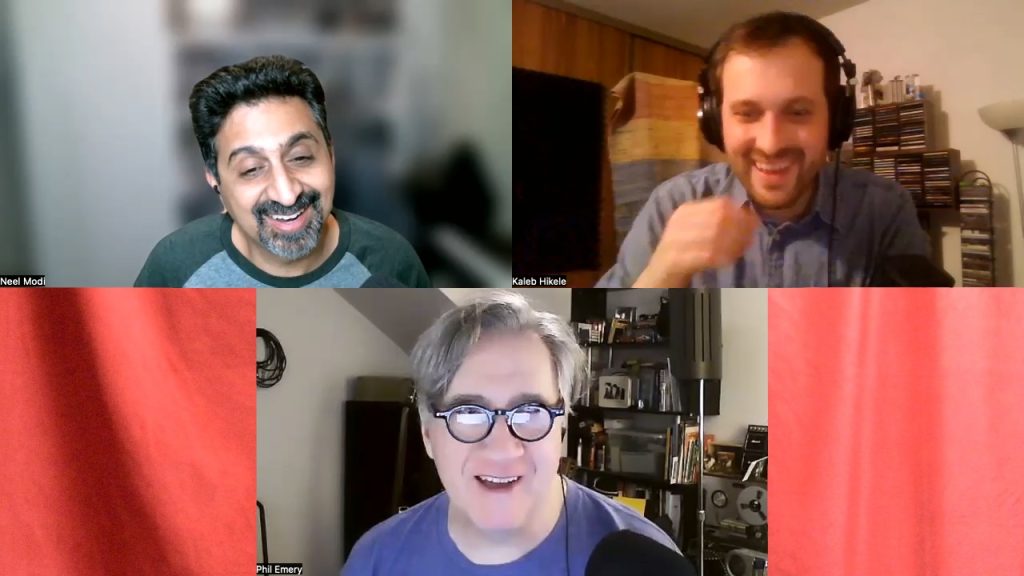
Canadian singer-songwriter Kaleb Hikele joined us for the third time to talk about writing and producing the first single from his upcoming album in 2026. Download the lyrics for Slowly to follow along.
We talked about:
- Using a simple drone-like chord progression in the verse, and adding more movement of chord changes in the refrain
- Using metaphors to tell a love song
- How Kaleb decided to not use a capo for this song
- Getting inspired by a Beatles riff when producing
- Embracing the gear in the recording studio to inspire different directions for the arrangement and production
- Is it a good idea to demo your songs at home before getting into a pro studio?
Kaleb’s Previous Episodes
- Getting inspiration from life & classical music: Kaleb Hikele (2015)
- The art of songwriting with The Sun Harmonic (2016)
- Writing, recording, and releasing a song in 48 hours with The Sun Harmonic (2020)
About Kaleb Hikele
Kaleb Hikele is a Canadian singer-songwriter, born and raised a classical piano player and choir boy in the small town of St. Thomas, Ontario. He picked up the guitar and played in punk bands at the same time that he played his Grade 8 piano exam, foreshadowing an unpredictable and diverse future as a multi-instrumentalist and self-taught recording artist. For a formal introduction to his song Slowly; Kaleb is proud to finally release one of his best and most personal works. This song debuts the fifth solo album and his thirteenth independent studio album in a long and dynamic discography – his next album is called Storytelling. The record was just taken on the road and debuted on stage during a solo tour around Ontario in October 2025. Each show featured the album played from front to back, sharing the songs live before being released in 2026.
Kaleb Hikele Talks on Podcasts
Kaleb also shared this episode on this playlist of his other podcast appearances. Thanks for the include Kaleb!